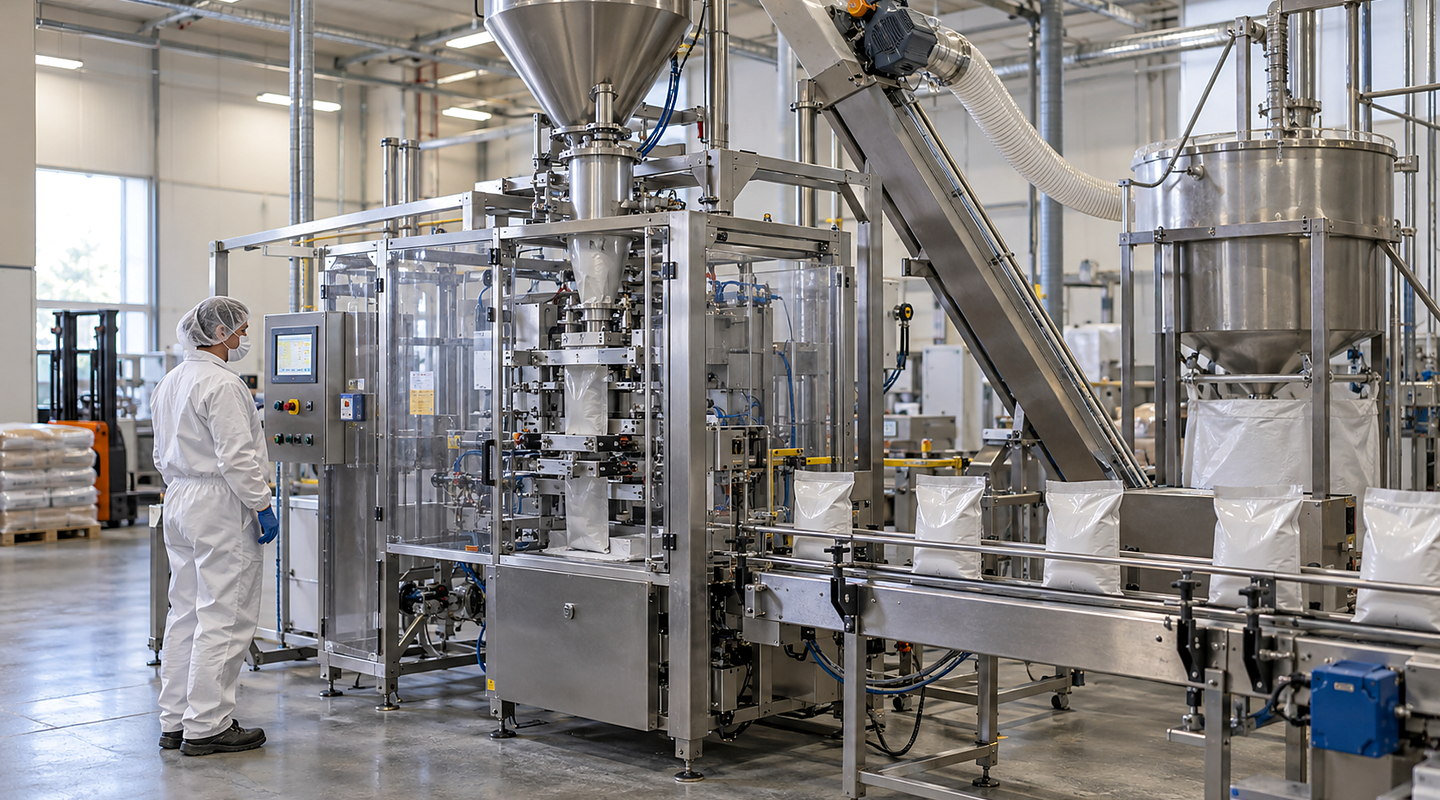
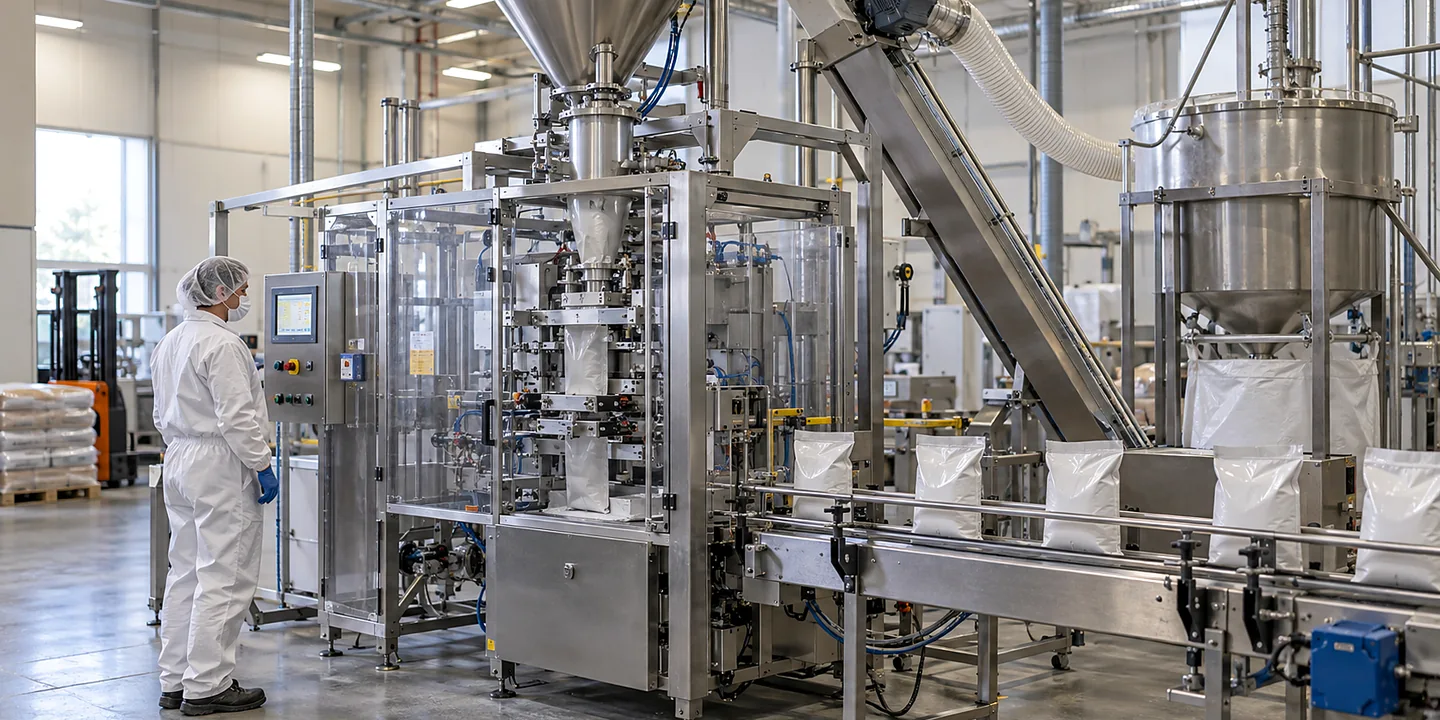
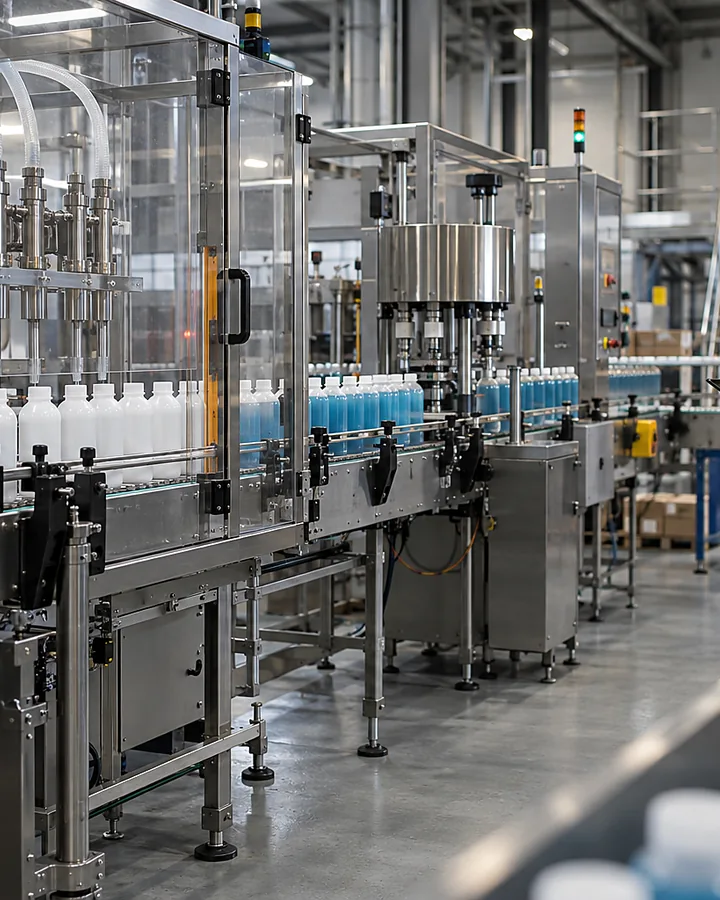
A fertiliser bagging line brings product feed, weighing, bag presentation and closing together. Specify the actual formulation and bag construction first, then compare accepted output and handling across the product conditions your production run will encounter.
Speak directly with Lancing about granular fertiliser weighing and bagging.
Quick answer
What equipment will weigh, fill and seal our fertiliser bags?
Supply the fertiliser specification and safety data, bag weights and bag construction. Include dust, moisture and product-flow variation in the assessment. Compare trials of weighing, bag filling and closing, then define weight checks, spill handling and cleaning or changeover requirements for the intended production environment.
Selection criteria
Build the bagging specification
Use these decisions to define the proposed equipment and the checks needed for your application.
Decision 1
Supply the actual product specification
Provide composition information, safety data and normal granule-size variation. Describe caking, moisture changes, fines and abrasion observed in handling. Chemical compatibility and dust or hazardous-area duties require the appropriate substance-specific assessment before selecting equipment.
Decision 2
Compare weighing arrangements
State target bag weights, product-flow behaviour and the required quantity checks. Ask what is weighed, how product reaches the weighing stage and how overshoot or retained material is handled. Confirm results with normal production material and replenishment conditions.
Decision 3
Support the bag during filling
Supply empty bags with their dimensions and construction. Review opening, clamping, support and discharge at the full intended weight. Include the operator’s loading task or the proposed automatic presentation system rather than evaluating the dosing head alone.
Decision 4
Match the closure to the bag
Describe whether the approved pack uses stitching, heat sealing or another closure. Trial the actual bag and liner where fitted. Check the filled bag top, product contamination and the handling needed between filling and closing before fixing the line layout.
Decision 5
Control spills and changeovers
Plan where displaced air, spilled granules and residues go. Define access and the approved cleaning method with the product owner. A change between formulations may require different controls from replenishing another batch of the same product.
Decision 6
Specify the finished-bag handover
Show how accepted bags leave the closer and reach palletising or dispatch. Agree weight, closure, coding and identification checks, including rejected bags and rework. Measure output at this completed stage so quoted capacity covers the whole operation.
Applications
Two useful starting points for fertiliser bagging machines
The right choice changes with granular fertiliser weighing & bagging product behaviour, bag construction, liner and closure, your line layout and required results.
Follow the sequence below to resolve the main specification questions before committing to equipment or installation.
01
Characterise the material
Review the actual fertiliser, safety information and normal storage and feed conditions before choosing the trial route.
02
Prove fill and close together
Run representative bags through weighing, filling, transfer and the intended closing method. Observe losses as well as pack results.
03
Review site interfaces
Map incoming product, operator access, services, extraction requirements and the route for filled bags and rejected material.
04
Agree batch release
Define accepted weight and closure checks, record ownership, changeover and how nonconforming bags are identified and controlled.
Important limits
Know what needs a separate check
Chemical compatibility, vapour, dust and hazardous-area duties require substance-specific assessment.
The selected method must be trialled with representative product and packaging.
Supplier tolerances and product-condition changes can alter handling or fill behaviour.
Your final solution for granular fertiliser weighing and bagging must reflect the law, current standards and site-specific risks that apply to your installation.